

1
Statue of Liberty National Monument
1
Liberty Island
The Statue of Liberty is perhaps New York City's most familiar landmark and the easiest one to overlook since it's only accessible by boat. This historic monument has welcomed many generations of hopeful Americans to our shores.
2
The Met Cloisters
2
99 Margaret Corbin Dr. in Fort Tryon Park
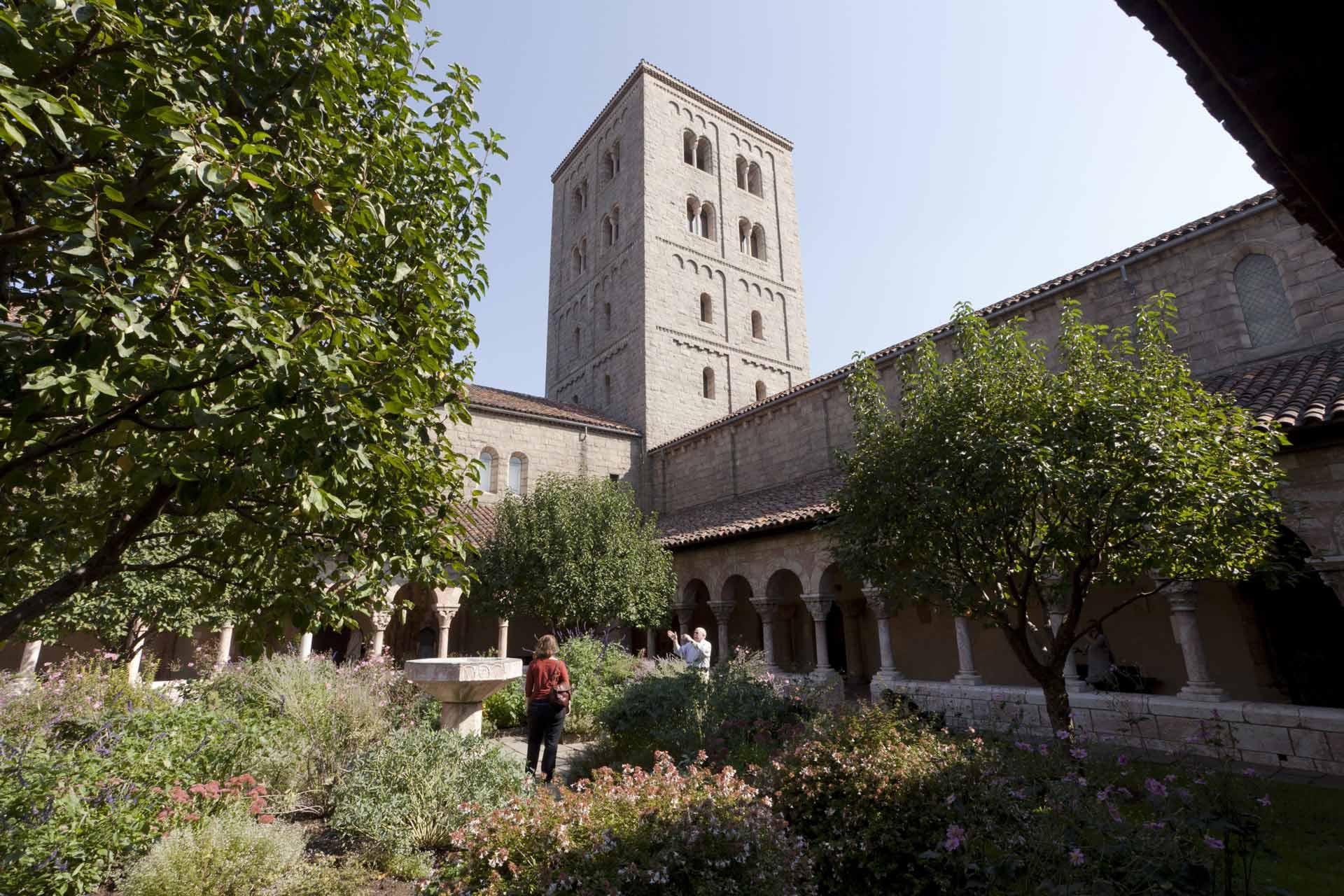
Discover the wonders of medieval Europe through the art, architecture, and gardens found at The Met Cloisters. Enjoy unparalleled views of the Hudson River, stroll through enchanting gardens and see masterpieces of medieval sculpture, stained glass, tapestries and more. The Met presents over 5,000 years of art from every corner of the world for everyone to experience and enjoy. Beside The Met Cloisters, the Museum lives in two other iconic sites in New York City—The Met Fifth Avenue and The Met Breuer.

3
Brooklyn Botanic Garden
3
990 Washington Ave.
The Brooklyn Botanic Garden is as committed to education and conservation as it is to inspiration. Whether you’re looking to learn something or just want to soak up 52 acres of natural beauty, the BBG has more than 18,000 kinds of plants from all over the world. The garden is open year-round and has plants for every season, plus indoor tropical gardens and bonsai trees.
4
Sylvia’s
4
328 Lenox Ave.
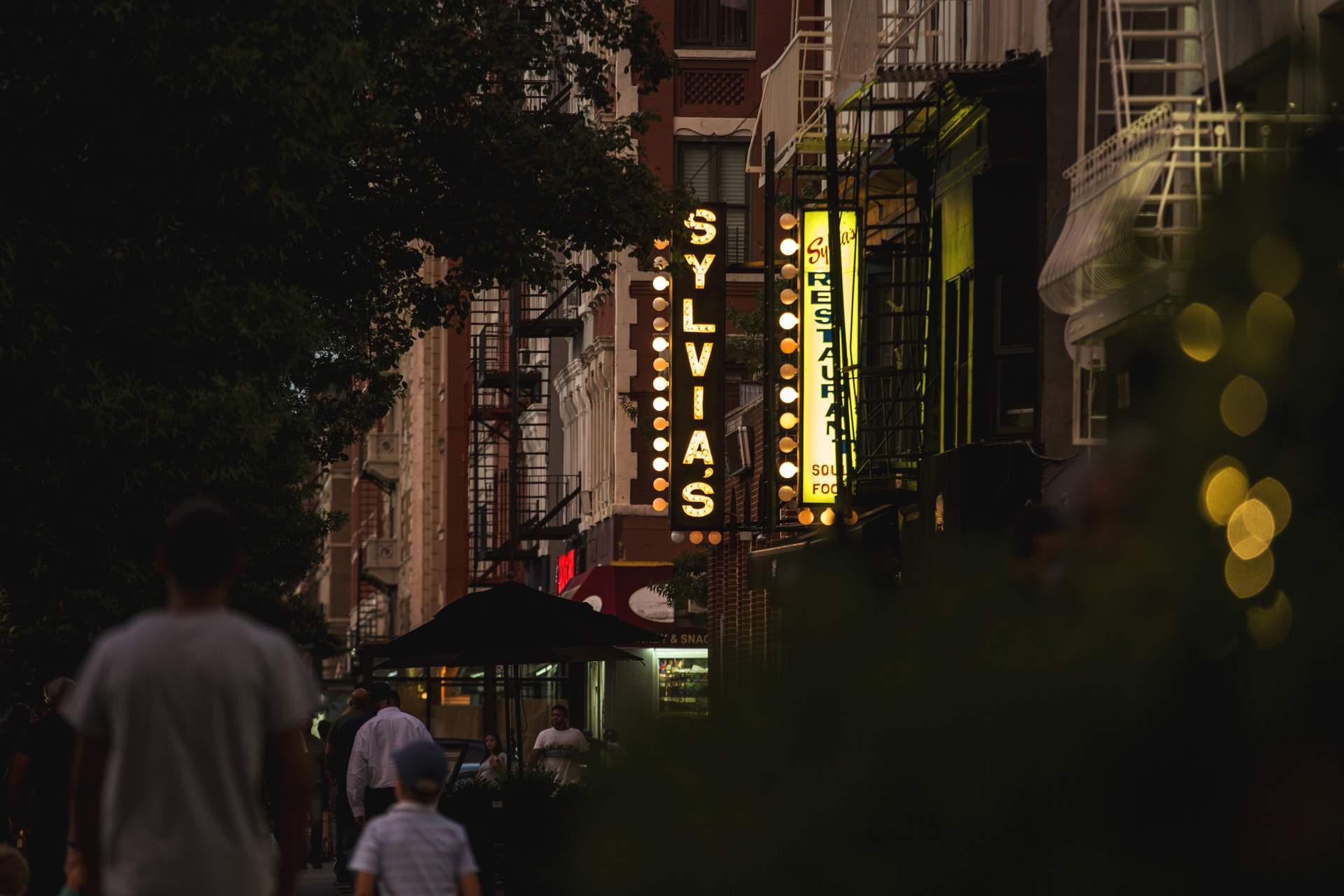
Founded in 1962, this world-famous Harlem soul food restaurant (think smothered chicken, fried catfish and collard greens) is so popular, it has spawned a line of Sylvia products, from triple-strength hot sauce and canned black-eyed peas to flapjack syrup and peach cobbler mix. What started as a 35-seater has evolved into a cavernous 450-capacity location that takes up most of a city block.

5
Governors Island
5
Governors Island
Governors Island is a former military outpost—it played a role in the Revolutionary War and the War of 1812, and the Coast Guard used it until the mid-1990s. Today the 172-acre island has blossomed into a recreational oasis just off the Lower Manhattan shore. A free seven-minute ferry ride brings fun-seekers to an idyllic setting where they can cycle (with their own wheels or a rented pair from Bike and Roll), picnic with a great view or enjoy free programming including art exhibitions, concerts and sporting events. The Hills, a topographic installation on the island, comprises four mounds; each offers incredible views of Lower Manhattan and the Statue of Liberty. Meanwhile, much of the island's military architecture lives on as the Governors Island National Monument.
6
Abyssinian Baptist Church
6
132 Odell Clark Place
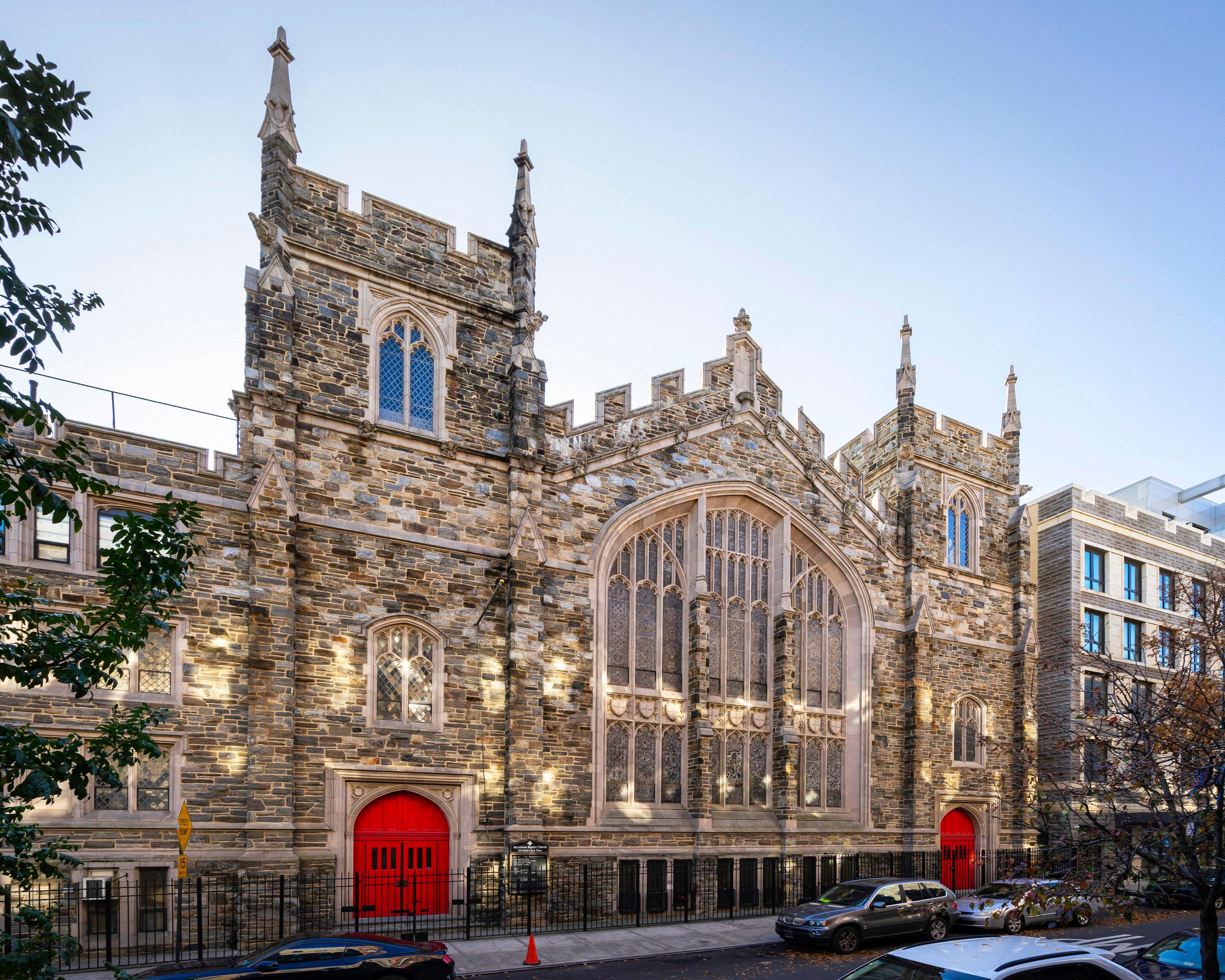
In 1808, the Abyssinian Baptist Church was founded in Lower Manhattan by a group of men and women who refused to concede to segregated seating at the First Baptist Church of New York City. (Abyssinia is the ancient name for Ethiopia.) Fast forward more than 200 years and the congregation’s home is Harlem, inside a Gothic-style building adorned in stained glass windows and marble furnishings. Throughout its history it has been home to ministers Adam Clayton Powell Sr. and Adam Clayton Powell Jr. and served as a center for spirituality and community for African Americans.
7
The Frying Pan
7
207 Twelfth Ave. (in Hudson River Park)
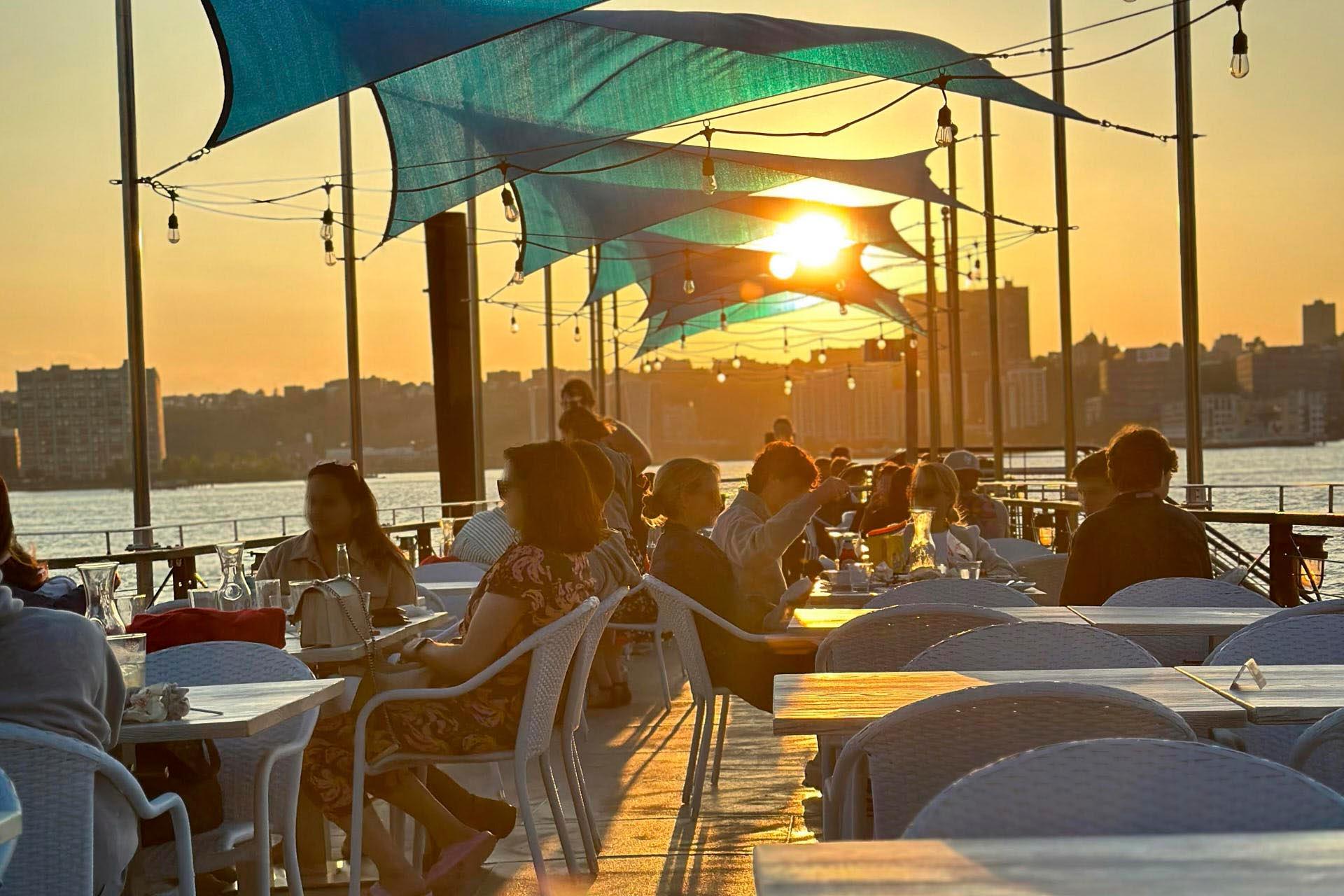
The Frying Pan is a seasonal outdoor restaurant located in Hudson River Park. A former Coast Guard ship listed on the National Register of Historic Places, it is docked at a vintage railroad barge that is also home to the retired FDNY Fireboat John J. Harvey, famous for fighting the WTC fires on 9/11. This casual NYC restaurant is a hotspot for the professional after-work crowd who come to mingle and take in the waterfront views while enjoying craft beers, specialty cocktails and sangria to accompany burgers, seafood and market salads. It is also a favorite spot for company parties and events.
8
Hamilton Grange National Memorial
8
414 W. 141st St.
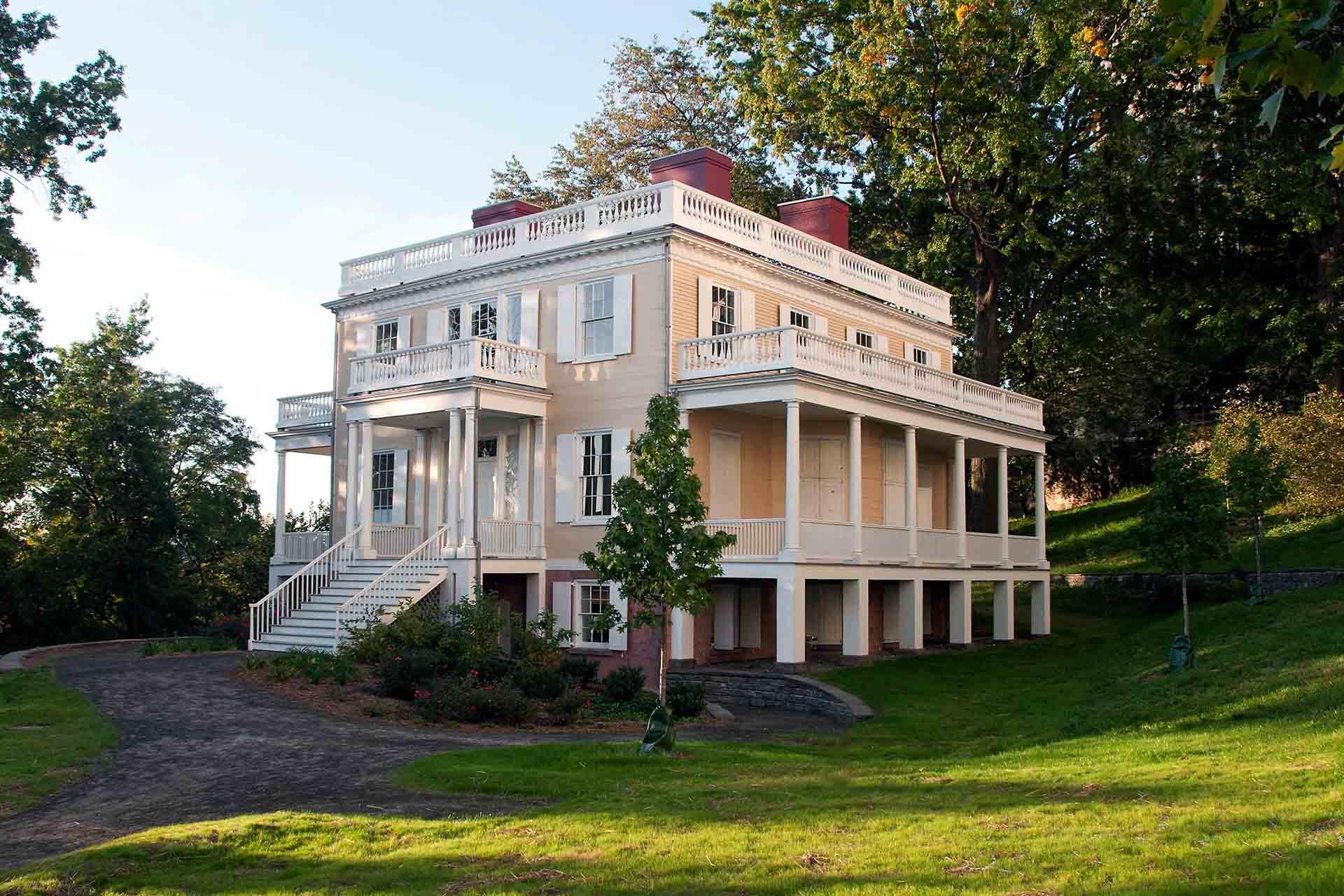
Founding Father Alexander Hamilton came to New York in 1772 at age 17 to study at King’s College (now Columbia University) and later commissioned architect John McComb Jr. to design a country home on his 32 acres in Upper Manhattan. The home was completed in 1802, two years before Hamilton’s death, and named The Grange after Hamilton’s grandfather’s estate in Scotland. The Grange stayed in the Hamilton family for 30 years, later changing hands and even locations, and was ultimately designated a national landmark in 1960. Today, visitors can see Hamilton’s home in St. Nicholas Park, where many of the original features remain, along with a permanent exhibition gallery highlighting the major events in his life.